
01
Ranger deployment & training
Skills, equipment and field support for teams patrolling large, remote conservation areas.
Share of field effort35%

Kaburi-Moto Concession · Kariba Basin, Zimbabwe
We fund the 20-year rehabilitation of the 29,590-hectare Kaburi-Moto Concession on the shores of Lake Kariba. In Year 1, rangers patrolled 3,850 km and pulled more than 500 snares from the bush.
Who we are
The Zambezi Ranger Project is a U.S. nonprofit created to bring American support to conservation on the ground in Zimbabwe. Our flagship is the Kaburi-Moto Rehabilitation Project: a 20-year effort, begun in 2025, to rebuild a concession that was once a stronghold for wildlife.
We believe in well-trained, well-equipped rangers, local people as full partners, and reporting that ties every dollar to results in the field.

Where we work · Flagship project


“To rebuild the Kaburi-Moto Concession into a secure, thriving ecosystem by protecting wildlife, restoring infrastructure, and strengthening partnerships with surrounding communities.”
On the ground, the work is led by Chloe Payne, our In-Country Conservation Lead. The Zambezi Ranger Project, led by President & CEO Dakoyta Greenman, raises U.S. support for it.
2025 · Year 1 of 20
From Kaburi-Moto field records, 2025. Our anti-poaching teams also recorded 205 animal sightings to track recovery.
Why it matters
Two decades of indifferent management brought high poaching, deforestation and human encroachment into the concession. Wildlife populations across the Zambezi Valley fell sharply.

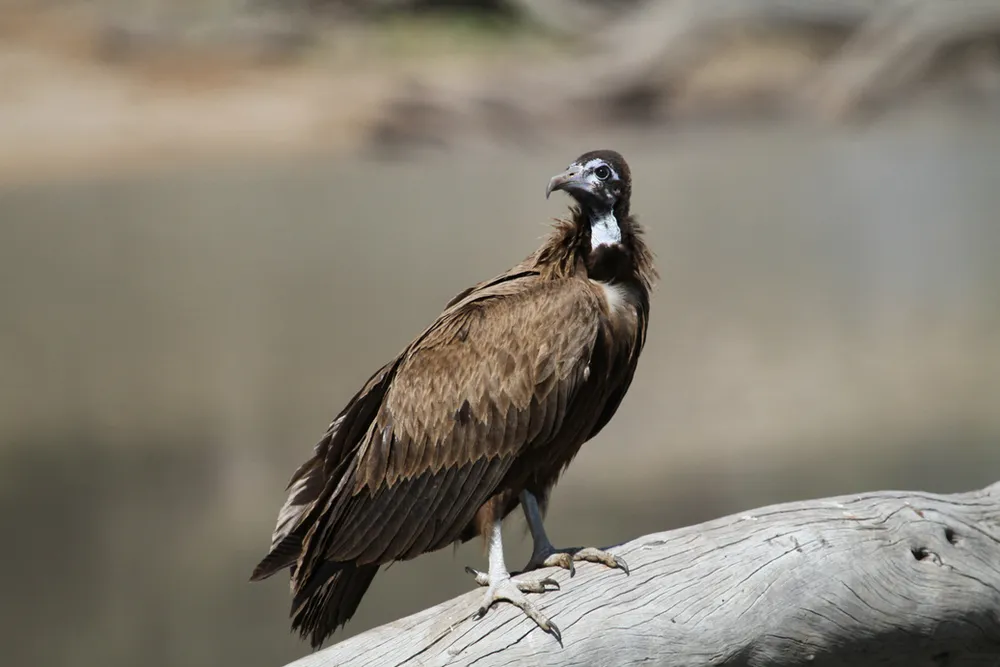
Once common here, black rhino are now locally extinct.
Zambezi Valley · Dunham, Nyaguse & Mudungwe (2024)
Wire snares set for bushmeat catch anything that passes, elephants and predators included, and most snared animals die.
Organized networks use the river and border communities to move ivory and other illegal goods between Zimbabwe and Zambia.
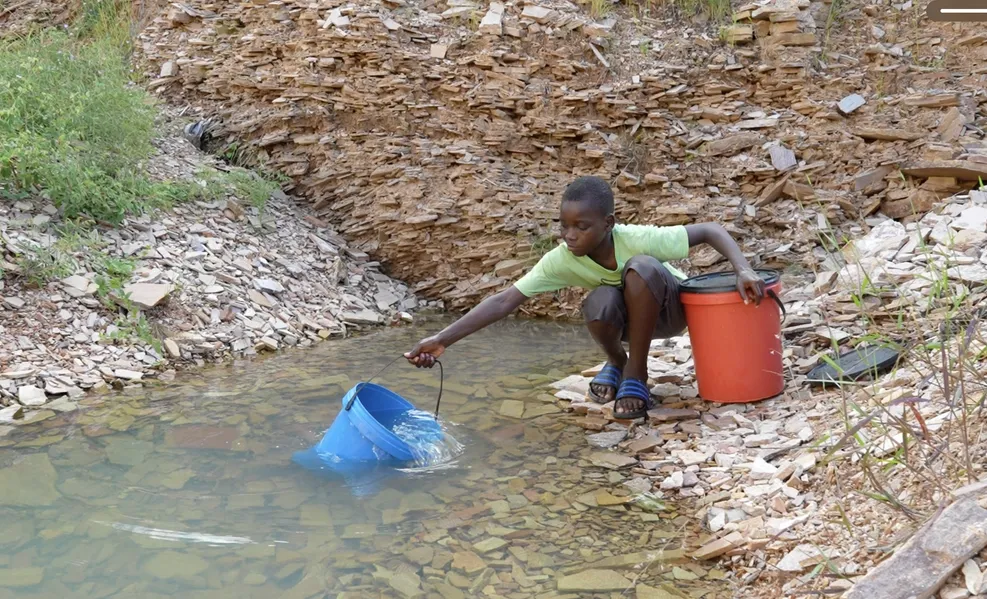
Crop losses, livestock predation and scarce water push wildlife and people together. Solutions have to work for both.
What we do · Boots on the ground
Each program answers a reality on the ground: vast terrain, daily snaring, organized networks and neighbors under economic pressure. Bars show the planned share of field effort.
Skills, equipment and field support for teams patrolling large, remote conservation areas.
Clearing wire traps and acting fast when poaching threats or injured wildlife are reported.
Extending patrol reach, detecting illegal activity earlier and keeping rangers safer.
Field surveys, camera traps and sighting records to track movement, population health and conflict.
Water, schools and conflict prevention with neighboring villages, reducing reliance on bushmeat.

On the front line
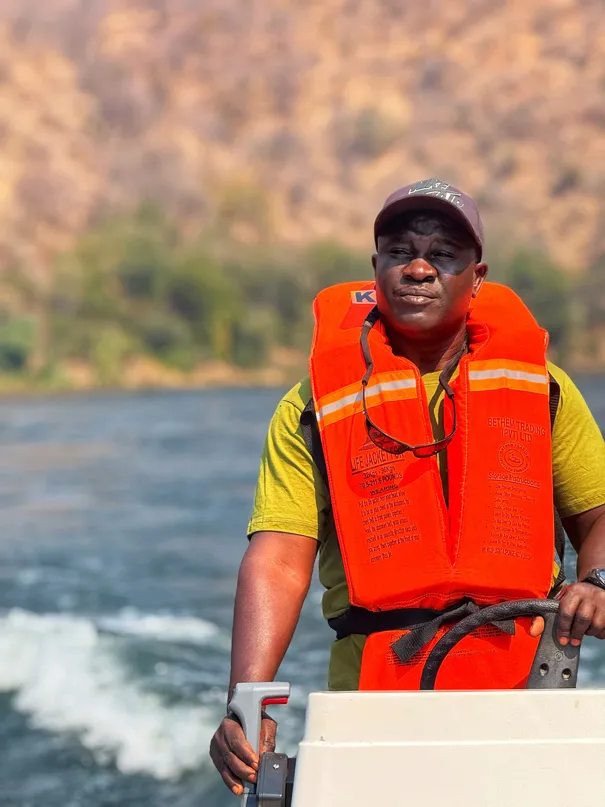
In Year 1, an eight-man anti-poaching team covered the concession on foot and by vehicle, reported 32 illegal human encounters and supported 7 successful arrests.
2026 goals
Despite the funding strain, the work on the ground cannot falter. Here is what we will deliver in 2026.
Transparency · Where the money goes
Today the concession is funded mainly by regulated hunting. Annual offtake is deliberately kept below natural recovery rates so populations can rebuild — which also means that income cannot cover the cost of restoring roads, infrastructure and protection.
Donor support closes that gap.
Select a category to see its line items.
Leadership gifts can underwrite a specific line of the 2026 budget, with reporting on exactly what it delivered.
Zambezi Ranger Project 2026 financial plan
Roadmap · Zambezi Ranger Project
Our first four years as an organization, in service of Kaburi-Moto’s 20-year plan (2025–2045).
Build a dependable field presence, strengthen the current ranger team, and put in place the systems needed for patrols, monitoring, community engagement and reporting.
Deploy a fully trained, professionally equipped ranger team into priority protection zones, using standardized patrol and reporting procedures.
Leadership & governance
A small, highly experienced board will guide long-term strategy, ensure transparency, oversee risk and ranger safety, and build partnerships across both countries.
Leads the Zambezi Ranger Project’s strategy, fundraising, partnerships and donor reporting in the United States.
As Overall Lead for the Zambezi Ranger Project, Chloe oversees conservation strategy, field operations, wildlife protection initiatives, community engagement programs, and long-term rehabilitation efforts within the Zambezi Valley. Her work focuses on creating practical, ranger-led conservation solutions that deliver measurable outcomes for wildlife and local communities.
Mike brings more than 45 years of Fortune 500 executive leadership experience, extensive international business expertise, and over three decades of active involvement in wildlife conservation organizations.
Oversees budgets, financial controls and the transparent reporting donors rely on.
Christy Keys is a Texas native and marketing representative in the cotton industry, where she has spent nearly a decade building relationships and working alongside agricultural producers. Her professional experience brings valuable expertise in stakeholder engagement, communications, and relationship development.
Focus: stakeholder engagement, conservation advocacy, donor relations and outreach.
Guide long-term planning against snaring, trafficking and habitat loss.
Inform decisions in a landscape where organized syndicates operate with local support.
Experience in livelihoods, social impact or cross-cultural engagement.
Coordinate across Zimbabwe, Zambia and the many independent parties along the river.
Adopted by the founding board and published here as each is approved.
How you can help
Founding donors make the 2026 plan possible: three anti-poaching bases, a larger ranger team, safe water for Padare Village and the first predator survey — with direct access to field leadership and line-by-line reporting.